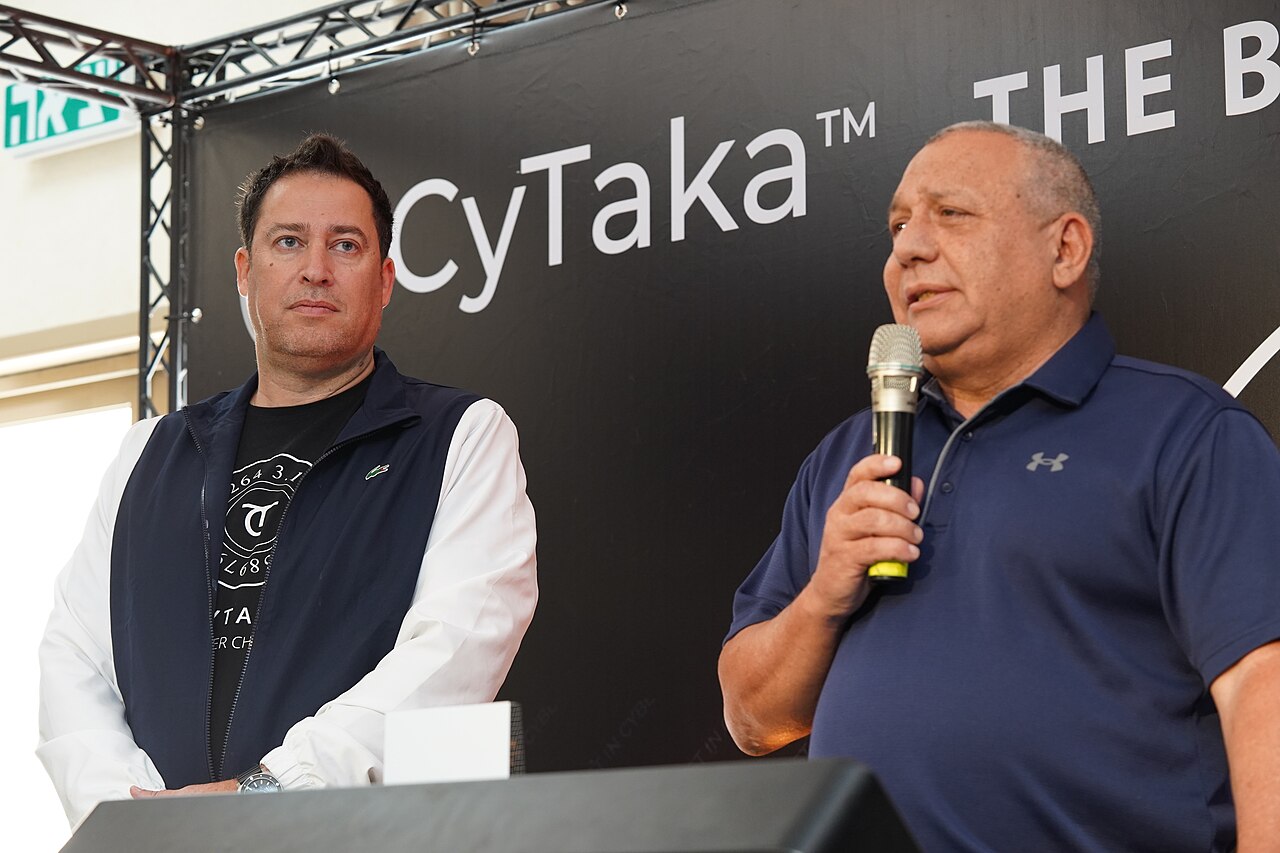

Eisenkot’s appointment gives him the first opportunity to build a governing coalition after Israel’s latest election. According to Latest News | Fox 29, he ran as Benjamin Netanyahu’s main opponent in the previous month’s vote. The mandate itself is a formal assignment to try to form a government; it does not establish that Eisenkot will ultimately become prime minister.
According to Gazzetta del Sud, the mandate followed elections held on October 27, 2026. The same report said political forces representing 67 members of the Knesset recommended Eisenkot during consultations with the president, while Netanyahu’s coalition received 46 recommendations. United Torah Judaism, it reported, named no candidate. Those figures were not independently confirmed in the supplied material.
The decision came amid a public dispute over the meaning of political unity. Gazzetta del Sud reported that Eisenkot responded to Netanyahu’s call for a unity government by saying Netanyahu was now invoking unity after dividing the country and fuelling conflict in Israeli society. The report also described Eisenkot as maintaining his demand for a government led according to his principles, while the available evidence does not establish the final coalition arrangement.
Eisenkot has framed the task as a response to what he described, according to Gazzetta del Sud, as an emergency, with open war fronts and Israeli democracy in a fragile condition. He said trusted new leadership was urgently needed. Under the timetable reported by Gazzetta del Sud, Eisenkot has 28 days to form a government, with the president able to grant an extension of up to 14 additional days under the Basic Law.
The immediate political test is whether Eisenkot can turn the presidential mandate into a governing majority. The supplied sources establish neither a successful government formation nor the final composition of any coalition, so his eventual status as prime minister remains unresolved.